Not a sprint.
Sustained care for your app.
Yeluvon handles the ongoing technical work that keeps mobile apps functioning correctly — not just after launch, but through every OS cycle, dependency shift, and user-reported edge case after that.
Working remotely with clients across Ukraine who need a specialist who understands local infrastructure constraints and realistic delivery timelines.
What this work actually demands
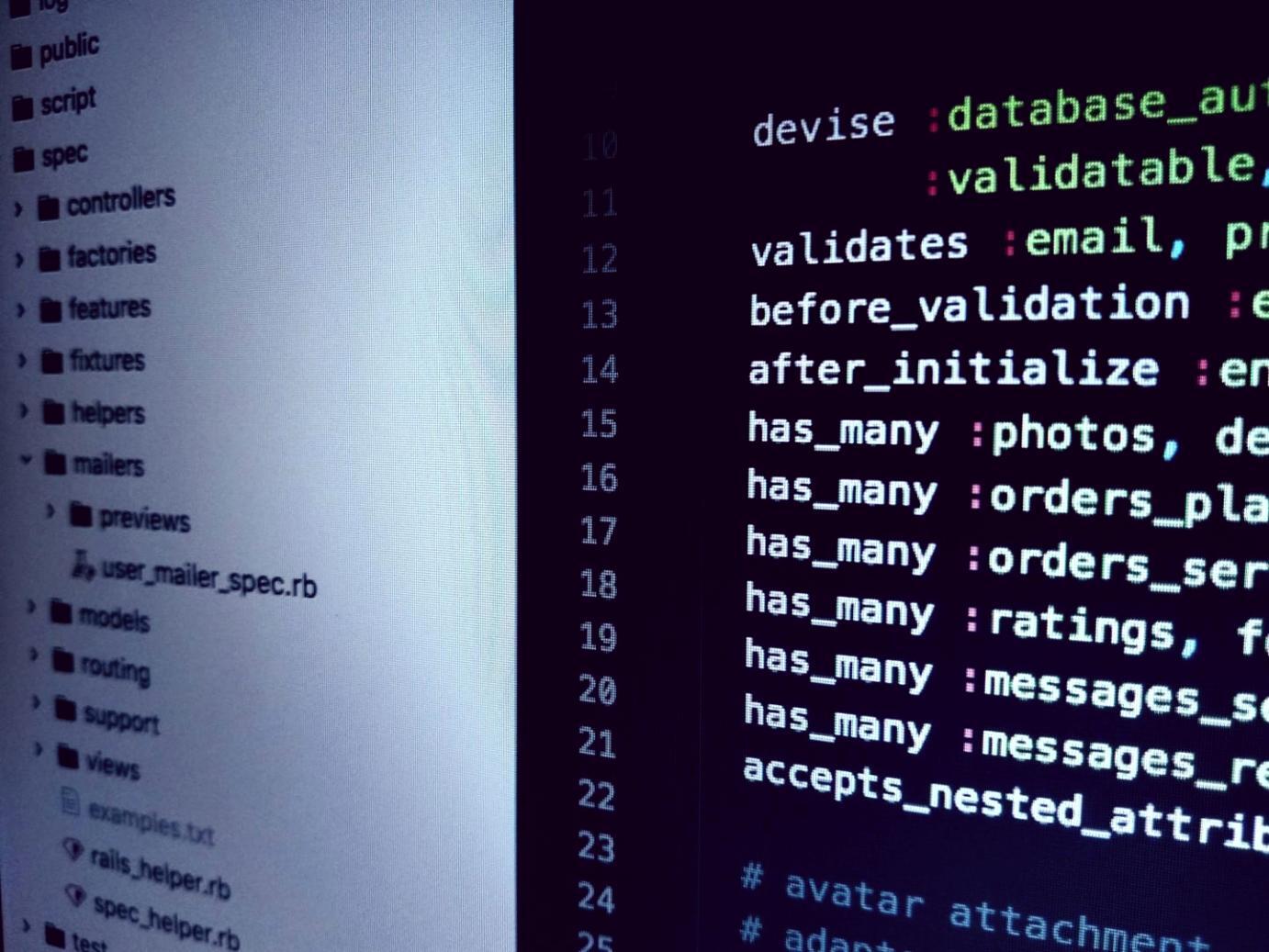
Maintaining a mobile app is not a task with a clean end state. Each iOS or Android release introduces potential regressions. Third-party SDKs deprecate without warning. Push notification pipelines drift out of configuration. The work is specific, repetitive, and consequential.
Clients who work well with Yeluvon come prepared for that reality. The engagement works best when the app owner can provide clear context for changes and responds within a predictable window when decisions need to be made.
- Access to the app store accounts and build pipeline from day one
- A single point of contact on the client side who can approve releases
- Willingness to test builds on actual devices, not just in emulators
- Realistic expectations — critical patches typically turn around in 24–48 hours, not immediately
Specific situations that were actually resolved
His logistics company ran an internal Android app used by field staff. After a fleet of devices was updated to Android 14, the background location service the app depended on stopped working silently — drivers appeared offline even when active. The issue had been in production for eleven days before anyone connected it to the OS update.
Running a small food ordering app, she received an App Store rejection for using a deprecated API three days before a planned marketing push. The rejection notice referenced a framework her original developer had included years earlier and never removed.
His fitness tracking app had an in-app purchase flow that intermittently failed for a subset of users on iOS 17.2 — not consistently, and not in test environments, which made it difficult to reproduce and nearly impossible to hand off to a remote contractor without proper context.
What clients describe after working together long-term
Not individual satisfaction — the pattern that repeats across engagements
After two major iOS updates, the app just kept working. I stopped budgeting for (emergency fixes) because the updates arrived before users even noticed the version had changed. That reliability changed how I plan product decisions.
The communication is direct. When something needs a decision from my side, I get a short message with the specific question and a recommended option. There is no (lengthy back-and-forth) to get to the actual problem.
I have worked with developers who disappear after delivery. Here the relationship continued after launch. When Google deprecated a Maps API tier, I was notified before it affected users, not after. That kind of (proactive monitoring) is hard to find.
The initial scope was one update cycle. Two years later, I still use the same contact. The context that has built up over that time means problems get solved faster now than in the first month — the (accumulated knowledge) of the codebase is worth something real.
How the working relationship runs in practice
Initial technical review
The first step is a review of the existing codebase, build pipeline, and store accounts. This produces a written summary of the current technical state — what is outdated, what carries risk, and what is functioning correctly. No work is estimated until this exists.
Defined update cadence
Routine maintenance follows a structured schedule tied to OS release cycles. Clients receive a brief changelog for each update before it is submitted to review. Nothing is pushed without sign-off.
Incident response for unexpected issues
When something breaks outside the scheduled cycle, the response window depends on severity. Store rejections and crashes affecting active users are treated as high priority. Cosmetic bugs and minor regressions are batched into the next scheduled update unless the client requests otherwise.
Communication through one channel
All status updates, questions, and delivery confirmations go through a single agreed channel. There are no project management platforms required on the client side — a messenger or email thread is sufficient for most engagements.
A detailed look at one real engagement
A React Native app breaking silently across three consecutive releases
A client in the professional services sector had a React Native app used internally by their team of 34 staff members. The app had been working correctly for about 14 months when reports began coming in that the document scanning feature — built on a third-party vision library — was producing blank results on newer devices.
The library in question had not received a formal deprecation notice, but its underlying native modules had become incompatible with changes introduced in React Native 0.73. The client's previous developer had not been maintaining the dependency tree, and the mismatch had accumulated over three release cycles without triggering an obvious build error.
The fix required migrating to a maintained fork of the library, updating the native bridge configuration for both iOS and Android targets, and re-testing the scan workflow against seven device configurations the client used in their office. Total turnaround from access to delivery was four working days. The client had estimated two to three weeks based on prior experience with contractors quoting on the same problem.
Following that engagement, Yeluvon took on the scheduled maintenance for the app. In the twelve months since, the client has not experienced a production incident.

Technical details
- Platform: React Native 0.73, iOS + Android
- Issue scope: native bridge incompatibility across 3 versions
- Devices tested: 7 physical configurations
- Resolution time: 4 working days
- Post-fix: zero production incidents over 12 months
- Staff affected: 34 internal users